Kullu district — Valley of Gods — Beas River & Himalayan Passes

Kullu District — Valley of Gods — Beas River & Himalayan Passes

Himachal Pradesh · Mar–Jun, Sep–Nov · 1220–4300 m altitude

Quick Facts Places to Visit Food Plan Trip

About Kullu

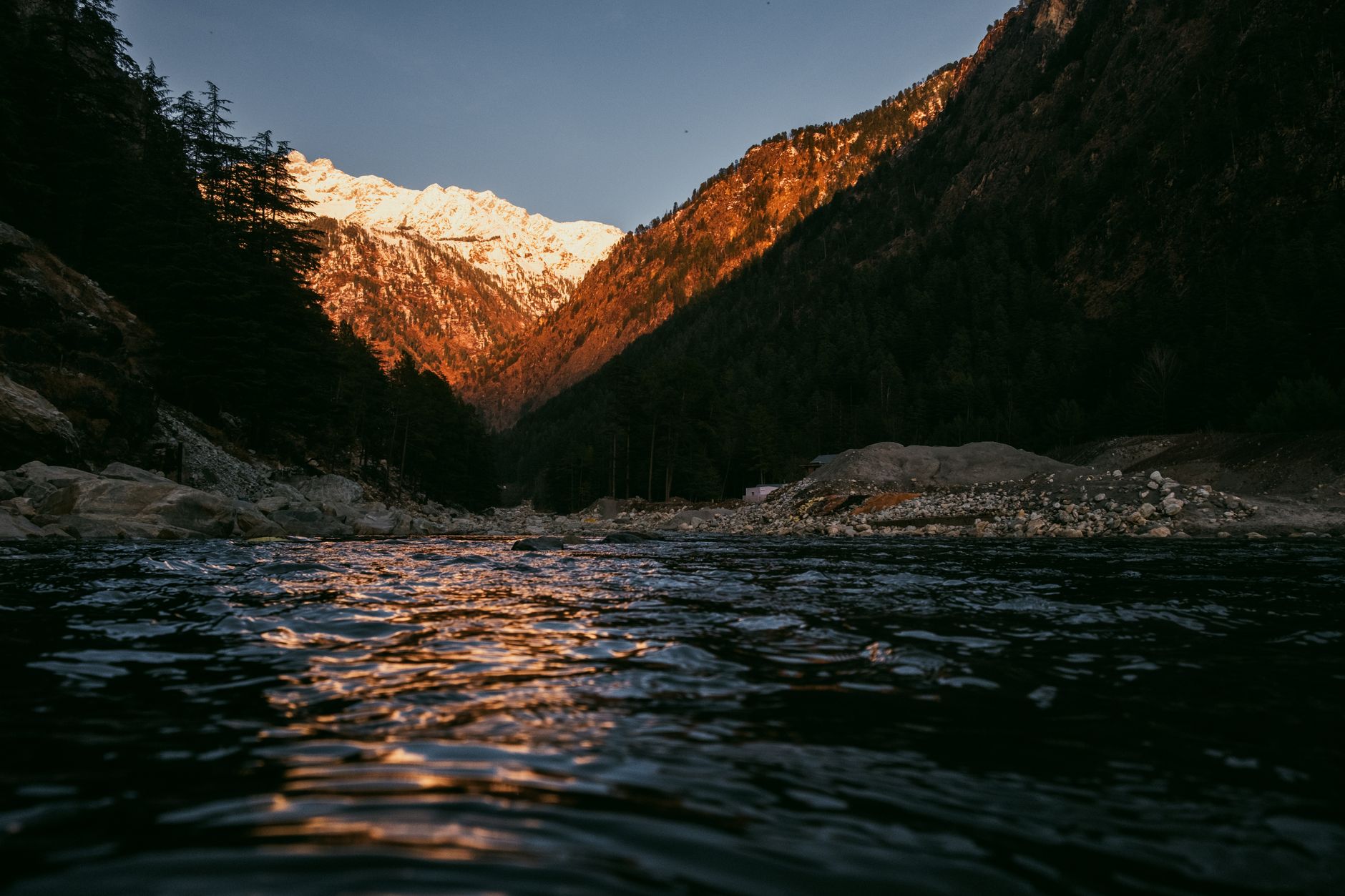
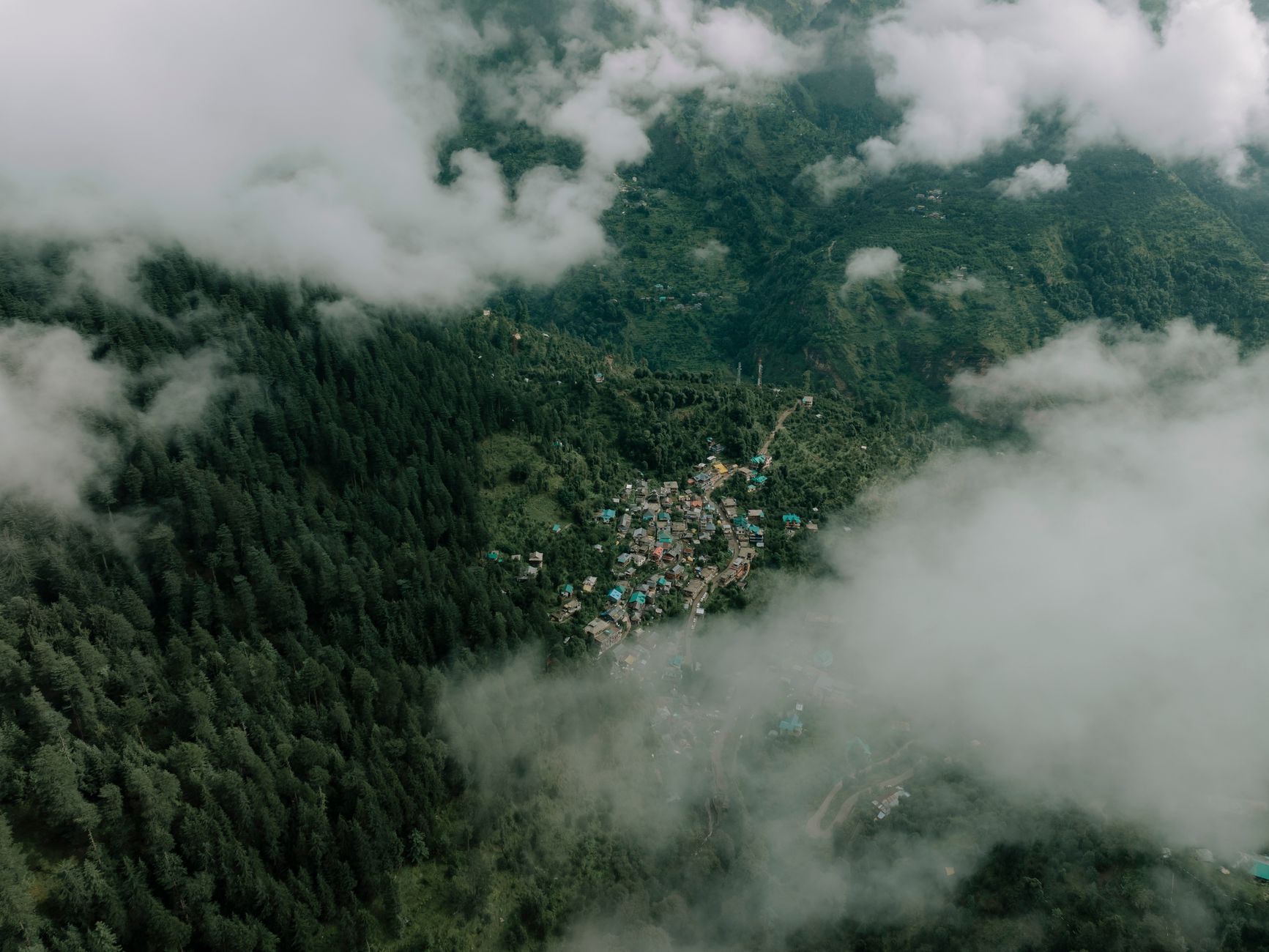
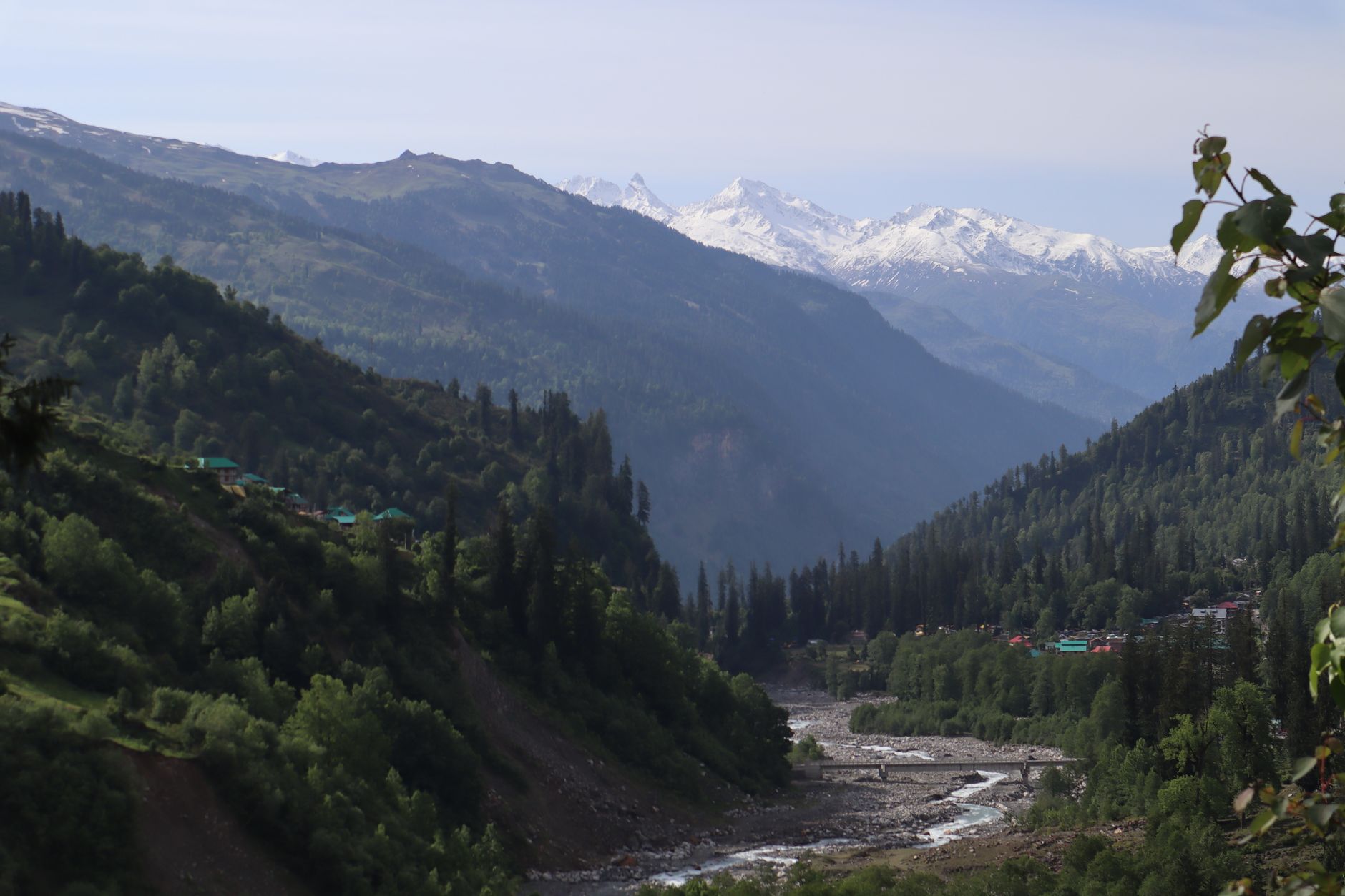
Kullu district is the adventure capital of Himachal Pradesh. The Kullu Valley, carved by the Beas river, stretches from Larji gorge in the south to the Rohtang Pass in the north. Manali, its most famous town, is the gateway to Leh-Ladakh and Spiti. The district is best known for the Kullu Dussehra festival — one of India's most spectacular — and for world-class trekking, skiing, river rafting and paragliding.
Quick Facts

District HQ
Kullu
Area
5503 km²
Altitude
1220–4300 m
Best Season
Mar–Jun, Sep–Nov
Summer Temp
10–30°C
Winter Temp
-5–15°C
Nearest Airport
Bhuntar (Kullu-Manali Airport)
From Delhi
510 km

Top Places to Visit (10)

Manali

Manali

2,050 m
  • Perched at 2,050 m where the Beas river cuts through dense deodar forests, Manali is the anchor of all Kullu Valley travel.
  • The old bazaar on Mall Road buzzes throughout the year with trekkers, honeymooners and bikers preparing for the Leh highway.
  • The river banks at Van Vihar and the apple orchards of Kullu provide a quieter counterpoint to the tourist strip.
  • In winter, snowfall transforms the town into a cosy alpine retreat with rooftop cafes and open fires.

Rohtang Pass

4,111 m
  • The Rohtang Pass (4,111 m) functions as the great gateway of Lahaul — the point at which the monsoon-fed green world of the Kullu Valley abruptly gives way to the rain-shadow landscapes of Lahaul and ultimately Spiti.
  • For Lahaul, Rohtang is not a visitor attraction but a lifeline: the pass closes from November to May under heavy snowfall, cutting Lahaul off from Manali and the outside world until the Atal Tunnel (opened 2020) changed the equation throughout the year.
  • The approach from the Lahaul (northern) side is gentler than the Kullu face, passing the Chandra river headwaters and the vast flat Lahaul valley dotted with poplar trees and whitewashed gompas.
  • The Atal Rohtang Tunnel at 3,100 m is now the practical route; the pass itself is visited as an excursion from Manali.

Solang Valley

2,480 m14 km north of Manali
  • A broad glacial valley 14 km north of Manali, Solang is Himachal's most versatile adventure corridor.
  • In winter (January–March) it becomes a skiing and snowboarding destination with a rope tow and ski school; in summer, paragliding launches from the upper meadows and a gondola cable car carries visitors to 2,480 m for views of the Beas Kund glacier.
  • The valley floor has a string of dhabas and equipment rental shops, and the drive up alongside the Solang stream through silver birch groves is scenic in its own right.
Old Manali

Old Manali

  • Separated from the main town by the Manalsu stream, Old Manali feels like a different world — a village of slate-roofed stone houses, apple trees and prayer flags.
  • The ancient Manu Maharishi temple, said to mark where the sage Manu survived the great flood, sits at the top of the village on a wooden shikhara platform.
  • The lane from the bridge up to the temple is lined with guesthouses and cafes that have made Old Manali a favourite slow-travel base since the 1980s.
  • Best explored on foot in the early morning before the day-trippers arrive.
Jibhi

Jibhi

3,120 m14 km drive away
  • Tucked into the Banjar sub-valley off the main Kullu highway, Jibhi became a word-of-mouth traveller discovery after 2015 and has since blossomed into one of Himachal's finest slow-travel villages.
  • A wooden bridge over a clear stream, traditional Himachali houses with carved balconies, and a backdrop of fir and cedar-clad ridges frame a landscape that feels genuinely timeless.
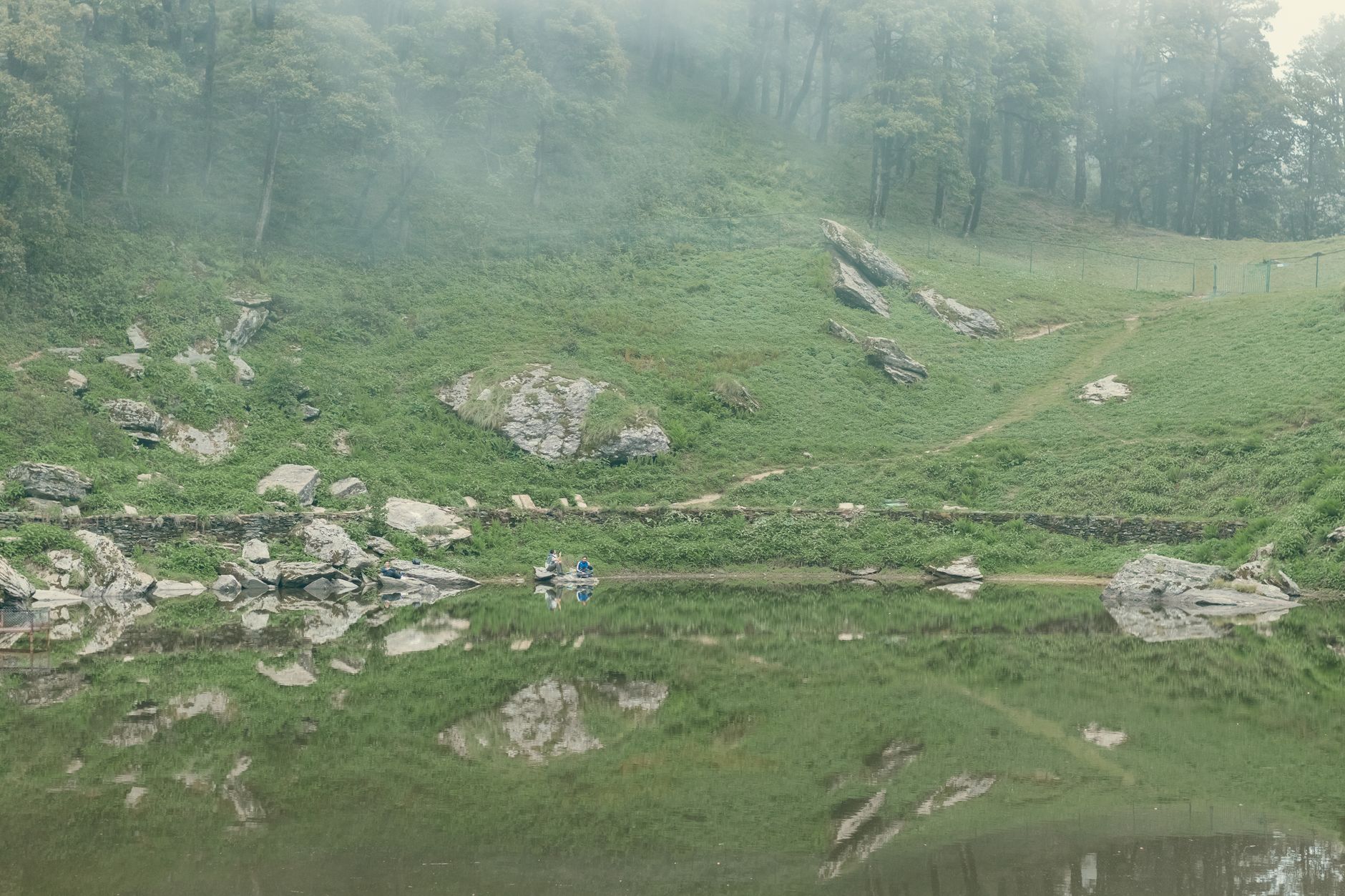
  • The Jalori Pass (3,120 m) is a 14 km drive away, opening a trail network to Serolsar Lake and the Raghupur Fort ruins.
  • Staying in a heritage homestay here over two or three nights rewards patient visitors with evening light that turns the forest gold.

Tirthan Valley

  • The Tirthan river — cold, fast and impossibly clear — defines this valley that forms the buffer zone of the Great Himalayan National Park, a UNESCO World Heritage Site.
  • Brown trout fishing with a permThis place is the signature activity; the river holds wild fish up to 3 kg in the deep pools below the village of Gushaini.
  • Trails into the core zone of the national park require a registered guide and pass through rhododendron, oak and conifer forest that shelters Himalayan tahr, serow and the elusive snow leopard at higher elevations.
  • Village homestays run by local families are among the most authentic accommodation experiences in Himachal.

Naggar

  • The former capital of the Kullu kingdom for over 1,400 years, Naggar sits on a forested terrace above the left bank of the Beas with views across to the snow peaks above Rohtang.
  • Naggar Castle — a fine example of the Katoch style of timber-and-stone construction — was built in the 15th century and is now a heritage hotel and museum.
  • The Russian artist Nicholas Roerich lived here from 1929 until his death in 1947; his estate, the Roerich Art Gallery, preserves his extraordinary paintings of the Himalayan landscape.
  • The temple of Tripura Sundari, with its pagoda-style wooden tower, is a notable examples of Himachali religious architecture in the valley.
Kasol

Kasol

1,640 m
  • Set in the narrow inner gorge of the Parvati Valley where the Kasol stream meets the Parvati river, this small village at 1,640 m has evolved from a single guesthouse in the 1980s into the most internationally known backpacker hub in the Indian Himalayas.
  • Israeli travellers, who nicknamed it 'Little Israel', established a culture of long stays, quality café food and river-side relaxation that persists today.
  • The village is the trailhead for the Kheerganga trek and a staging point for longer wilderness routes into Pin-Parvati Pass.
  • Best visited October–November or March–May when the valley is clear and the waterfalls above the village are running full.

Kheerganga

2,960 m13 km trail from Barshaini climbs through pine and birch forest
  • The 13 km trail from Barshaini climbs through pine and birch forest, passes the rock-face waterfall at Rudra Nag, and emerges above the treeline at Kheerganga's high meadow at 2,960 m — a journey that rewards effort with one of Himachal's most satisfying overnight experiences.
  • A natural hot spring pool at the top, maintained by the Forest Department, allows tired trekkers to soak under open sky with views of the Parvati glacier above.
  • The flat camping ground is large and well-organised, with basic dhabas serving chai and dal.
  • The descent on the same trail takes 3.5–4 hours and is best done before midday to avoid afternoon cloud.

Chandrakhani Pass

3,660 m
  • The Chandrakhani Pass (3,660 m) trek begins in Naggar and crosses a high ridge before descending into the Malana village — home of the famously isolated Malana people who claim descent from Alexander the Great's soldiers.
  • The two-day route passes through oak and rhododendron forest on the ascent, then across alpine meadows carpeted in summer wildflowers on approach to the pass.
  • From the top, views extend to Deo Tibba (6,001 m) and the Hanuman Tibba massif, with the Kullu Valley 2,000 m below.
  • Malana is a restricted village — visitors may not touch buildings or residents, and photography requires discretion.

Local Food & Cuisine

Sidu (wheat bread)Trout fish curryAktori (buckwheat pancake)Chha Gosht

Famous For

Dussehra FestivalRohtang PassRiver Rafting on BeasApple Orchards

Plan Your Kullu Trip

Talk to our local experts. Best packages, handpicked hotels, private cabs.

WhatsApp Us — Free Itinerary

Kullu Travel Guide: Places to Visit, Routes & Itinerary

Planning a trip to Kullu in Himachal Pradesh? Use this guide to discover tourist places, practical routes, sightseeing ideas and itinerary options. Himachal Explorer connects destination information with road-route planning so you can compare places and build a realistic day-wise trip.

For visitors searching for kullu and manali tourist places, kasol, rohtang and kullu valley travel guide, this page brings together the key locations and travel-planning information in one place. You can also explore the Himachal tourist places map, compare Himachal tour packages, or use the Himachal trip planner to create a custom route.